Published April 10, 2026
Beginner Tennis Technique and Injury Prevention
New players usually think injuries come from playing too much. Often they come from playing with poor spacing, too much arm tension, and too much effort on unstable mechanics. The good news is that the same fundamentals that improve your strokes also tend to protect your body.



Why beginners overload the wrist and arm
When the feet are late and the contact point is too close to the body, players compensate with the hand and forearm. That is when the wrist starts working harder than it should. If you also grip the racket tightly, the stress goes up fast.
The first technique priorities for safer strokes
- Get to the ball early enough to contact it in front
- Use your legs and torso so the arm is not doing all the work
- Keep the swing smooth instead of forcing power
- Finish balanced so the body can decelerate naturally
Forehand checklist
Use this simple sequence for most beginner forehands:
- Turn the shoulders as soon as you recognize the ball
- Set the racket early
- Move your feet so the ball is not crowding you
- Brush from low to high
- Finish with balance instead of muscling the shot
Backhand and serve caution
Backhands and serves are often the most stressful strokes for new players because they expose weak timing and posture quickly. If the serve feels jarring, reduce speed and work on rhythm first. On the backhand, prioritize clean contact over spin or pace.
Warm-up that actually helps
Before hitting, spend 5 to 8 minutes on:
- Arm circles and shoulder mobility
- Gentle torso rotations
- Mini-tennis from short court
- Easy shadow swings with loose hands
How to self-coach without guessing
Most players cannot feel their real contact point, spacing, or balance accurately. Video helps because it removes the false story your body tells you. You may think the racket path was smooth when the clip clearly shows a rushed slap with a cramped stance.
Review only a few swings at a time. Pick one change, test it, then record again. That loop is much safer and more effective than copying ten tips from different videos in one session.
What to do if you already have wrist symptoms
If you have tingling, numbness, or recurring wrist pain, do not treat this article as medical advice. Reduce intensity, avoid hard serves, and consider a clinician if symptoms persist. From a technique standpoint, your best first checks are grip tension, contact point, and whether you are forcing the ball with the hand instead of using body rotation.
Where Shot AI helps
Shot AI gives you a way to review your own tennis swings, inspect movement patterns, and get AI-generated feedback from video. That is especially useful for beginners because it turns vague advice like "relax more" or "hit out in front" into something you can actually see and repeat.
Feedback that reduces guesswork
See the kind of review that helps clean up mechanics earlier
For new players trying to avoid overload on the wrist and arm, visual feedback is often the fastest way to catch spacing, timing, and tension issues before they turn into habits.
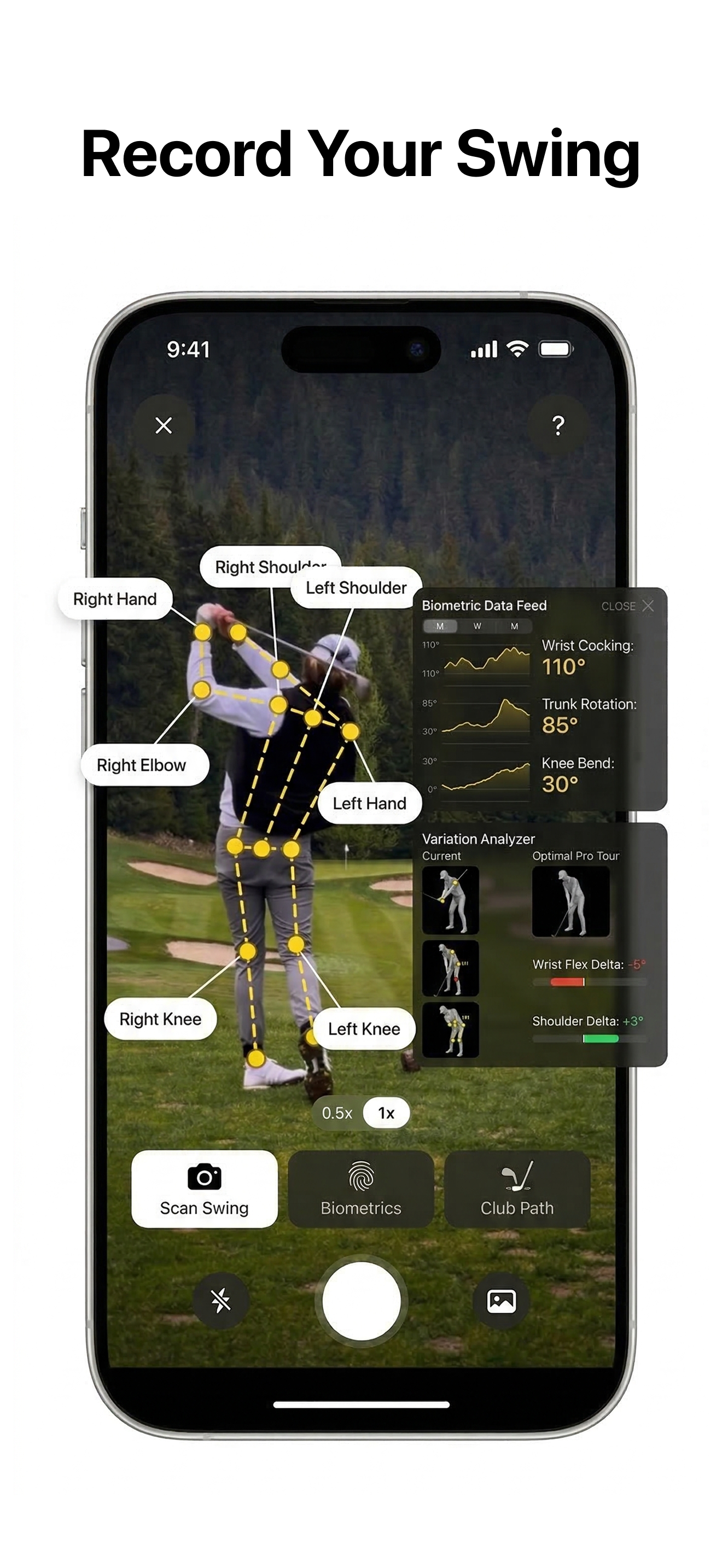
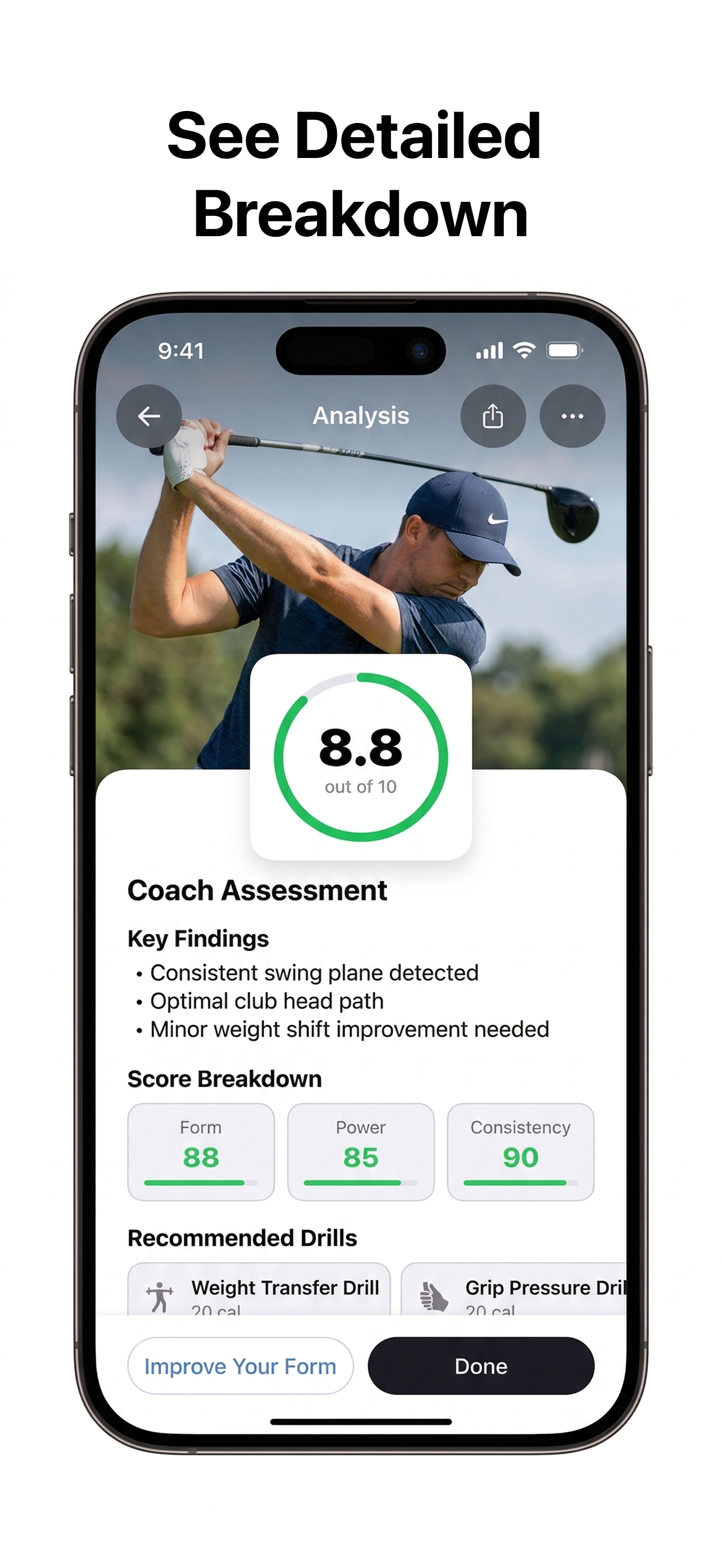
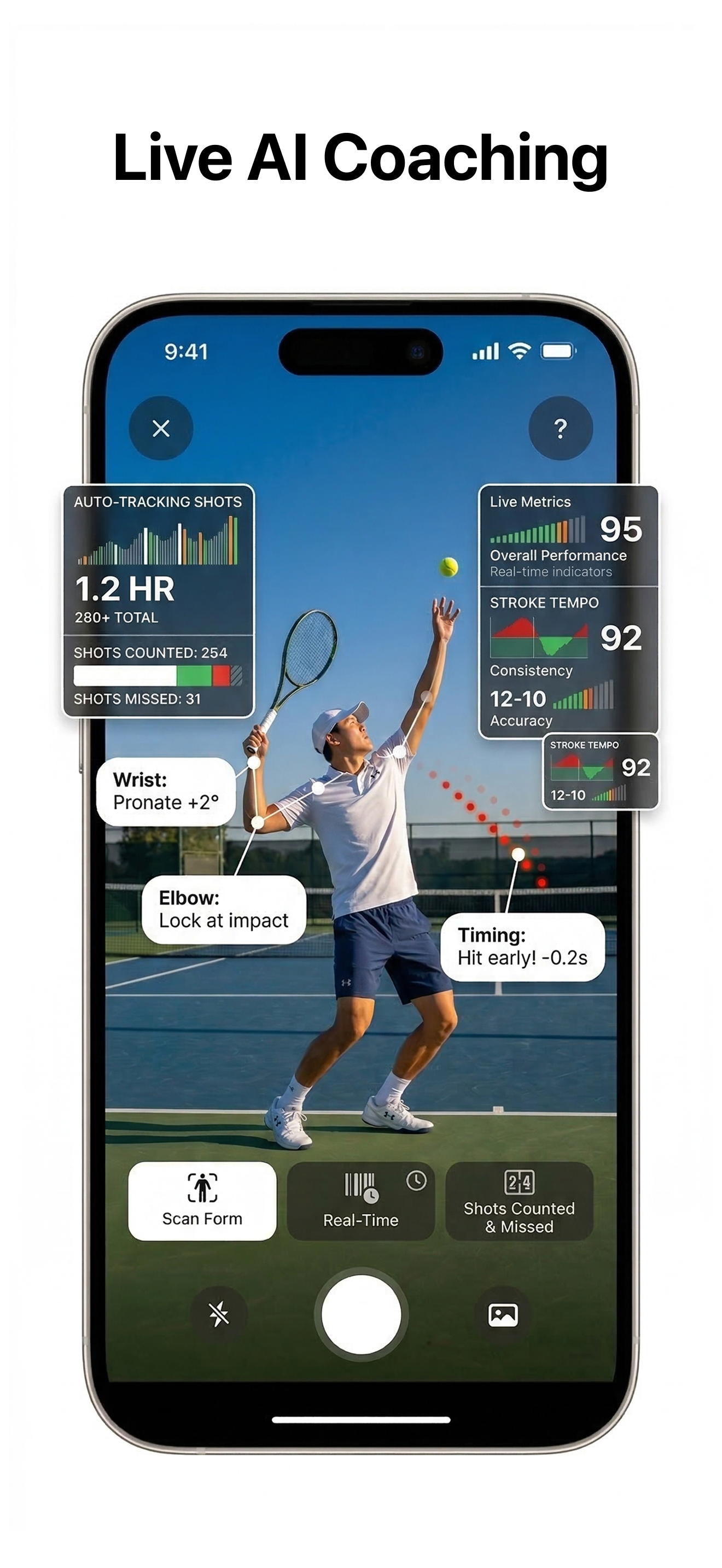
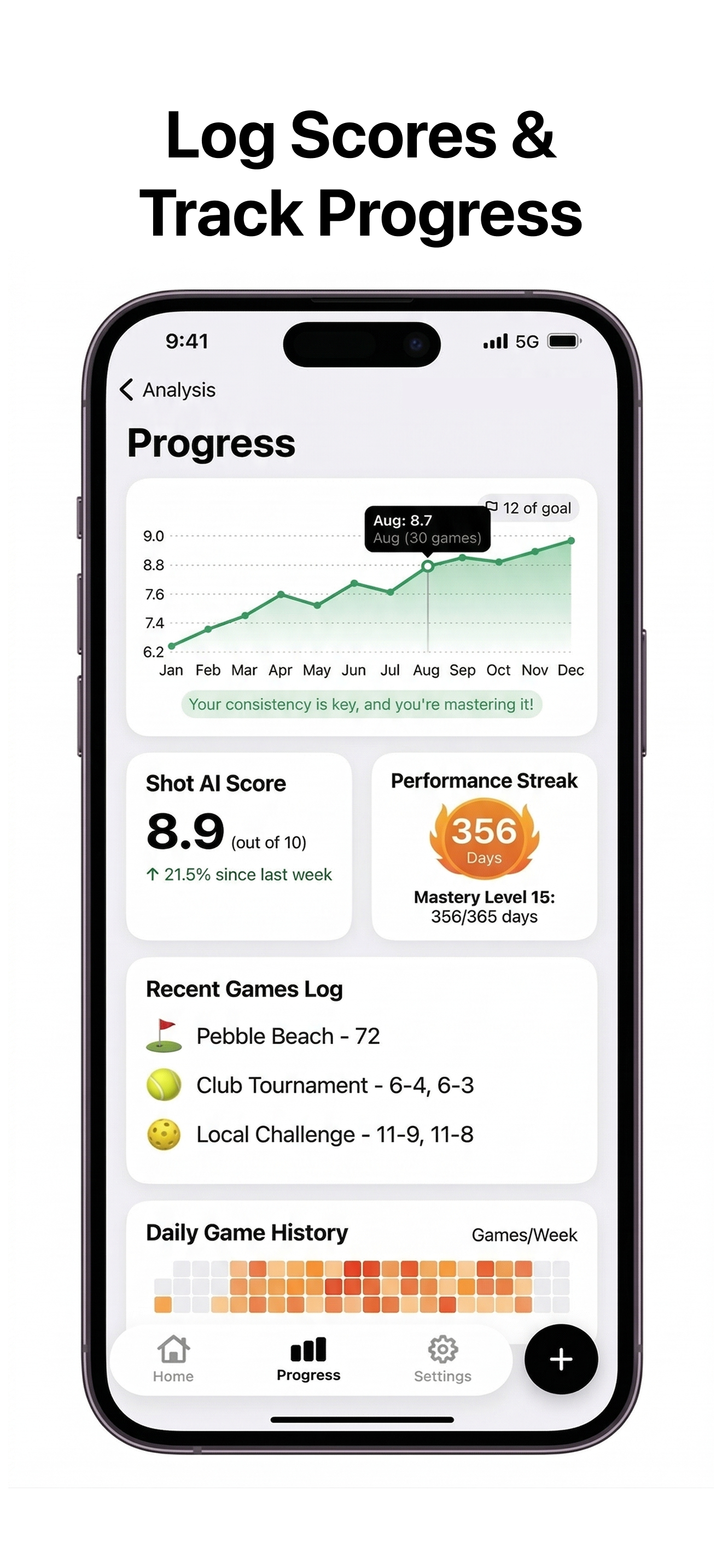
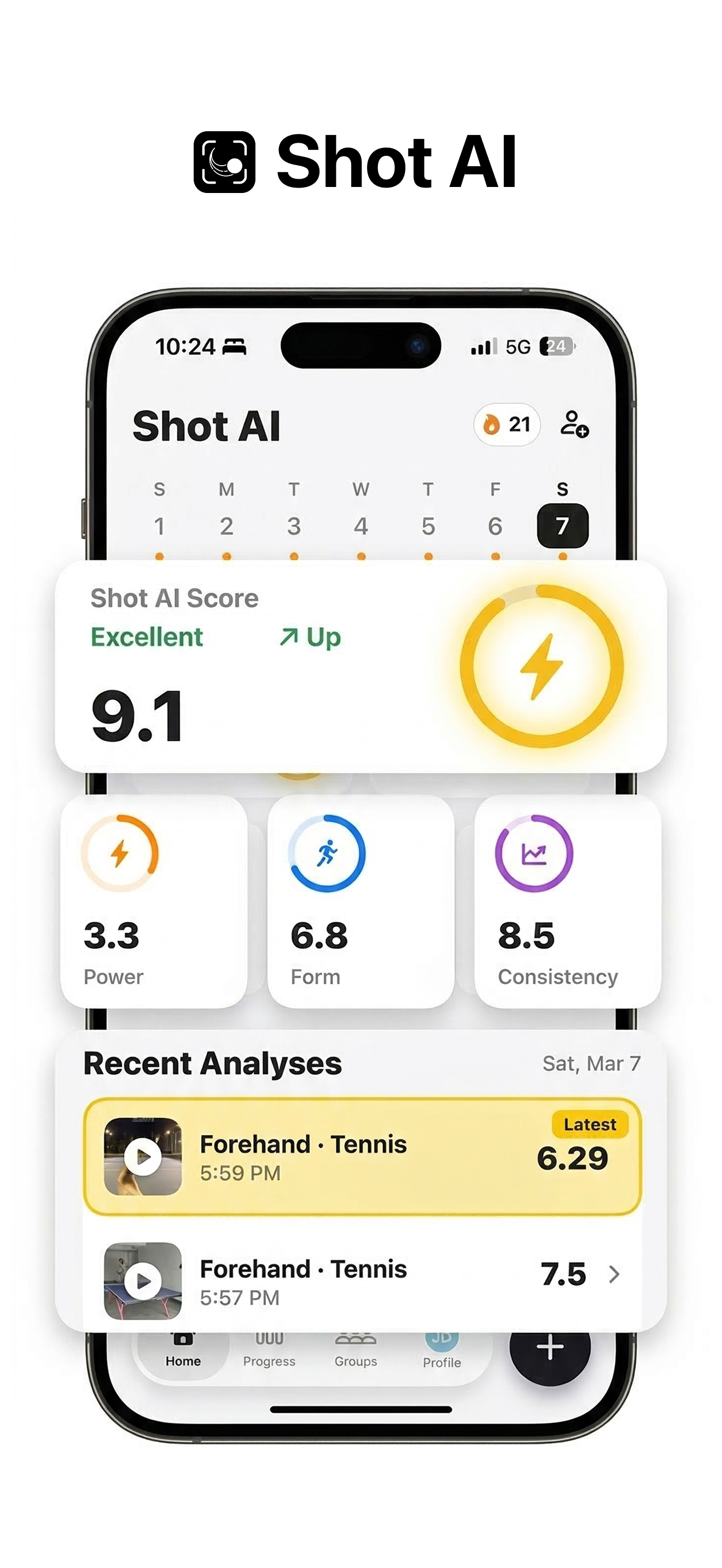
Use Shot AI to spot risky spacing, timing, and tension patterns before they become ingrained habits.